Journey Through the History of Wine
Learn about the history of wine and discover the wine journey.
“And Noah began to be a husbandman, and he planted a vineyard: And he drank of the wine, and was drunken.”
Genesis (9:20,21)
Wine is a part of the culture of the ancient peoples of Anatolia. In a legend attributed to Prophet Noah, after the flood, Noah began to live on the skirts of Mount Ararat with his animals. He noticed that a goat wandering around to feed returned one day extraordinarily cheerful. When this state continued for days, Prophet Noah followed his goat and discovered that this situation was caused by a fruit it ate. He also liked this fruit very much and became addicted to grape juice, which shows life as pink.
Seeing Prophet Noah happy, the devil, jealous of his joy, dried the vines with his fiery breath. When Prophet Noah fell ill from grief, the legend says, the devil felt pity and told him what to do to revive this fruit. If the root of the fruit is opened and watered with the blood of seven animals, the vine will come to life. Victims consisting of a lion, a tiger, a dog, a bear, a rooster, a magpie, and a fox were selected, the grape was watered with their blood, and a year later the plant revived and began to give leaves and fruit.
For this reason, according to the legend, when the behaviors of a person drunk with wine are examined, states bearing the character of these seven animals are seen. They become brave as a lion, predatory as a tiger, strong as a bear, quarrelsome as a dog, noisy as a rooster, cunning as a fox, and chatty as a magpie.
Anatolia, where many such legends about wine are told; together with a belt including Georgia, Armenia, Azerbaijan, Western Iran, and the Zagros Mountains, is actually among the birthplaces of viticulture and wine. Long before transitioning to settled life, humankind showed the patience and intelligence to transform vitis silvestris into vitis vinifera in pursuit of its sweet fruit and juice.
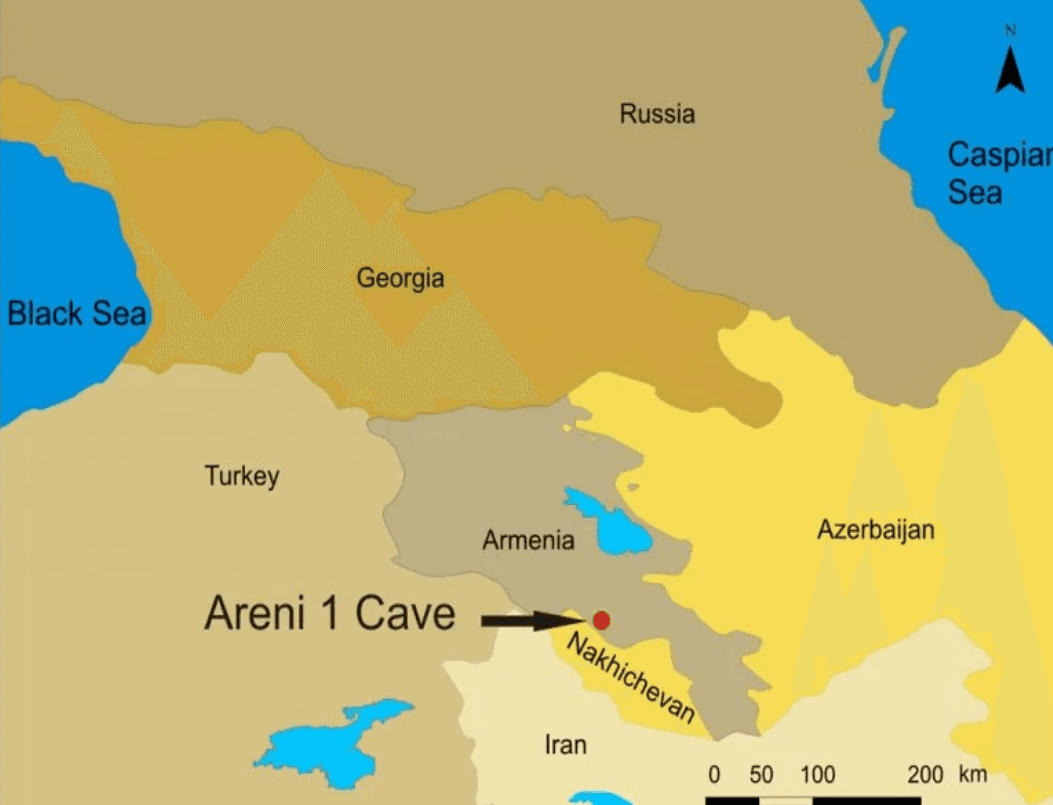
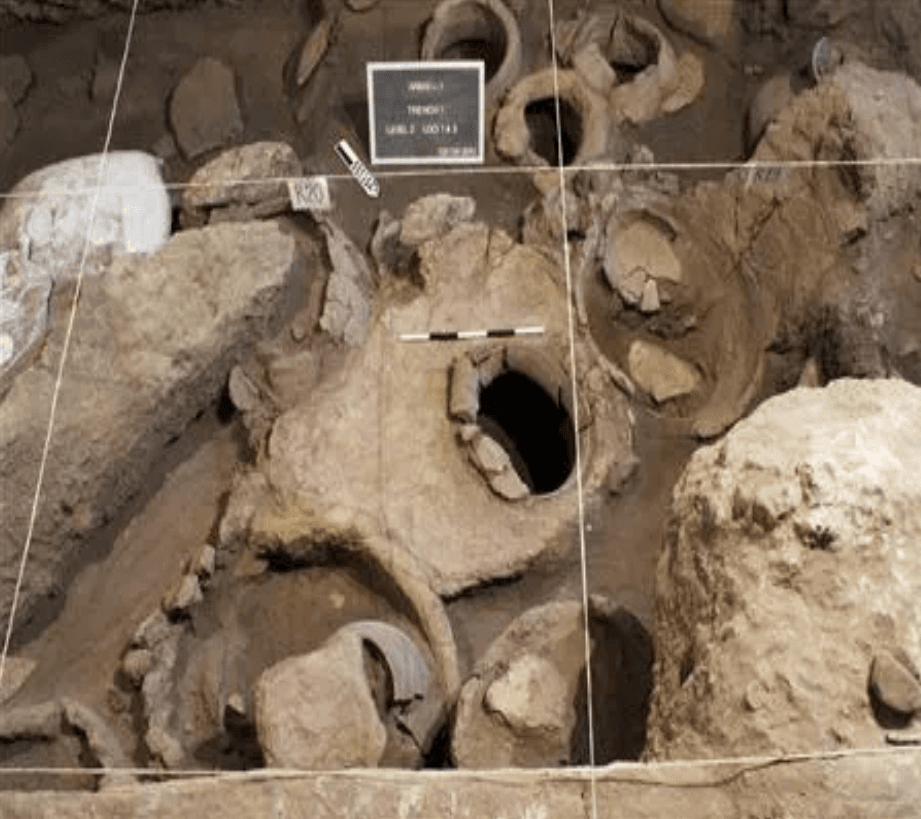
In archaeological excavations, traces of wine were found in pottery in two villages in southern Georgia at the end of the Neolithic period, that is, around 6000 BC. These traces were nothing but tartaric acid formed only when wine is made. The oldest known winery was found in Armenia in 2012. This winery found in Areni-1 Cave is dated to 4000 BC, so it is estimated to be 6000 years old. In short, when you take a sip from your glass today, you are sipping an 8000-year-old story.
Wine in Mythology
Wine, which had a say in the transition process from Ancient Greece and Rome to Christian culture, played a leading role in family and social life, festivals, and rituals. In its thousands of years of journey, it sat in the corner of honor in victory celebrations with its position in life. By positioning itself at the center of many civilization cultures, it also became an element of mythology. While wine mostly took place with god motifs in mythology, gods were dedicated to its name in many civilizations from Egyptians to Greeks to Romans. The relationship between vine, grape, and wine was handled with different concepts in mythological legends. Legends that sacrifices were made for gods to ensure the fertility of grapes, wine gods and temples found a place among the complementary elements of wine motifs in mythology. Egyptians, who considered wine sacred, named their wine gods Osiris, Greeks named Dionysus, and Romans named Bacchus.
The Role of Phrygians, Greeks, and Romans
As empires rose and fell, Anatolia's winemaking tradition also developed. Phrygians, Greeks, and Romans played important roles in shaping the viticulture environment. They introduced new grape varieties, developed the art of winemaking, and expanded vineyards throughout the country.
Wine as a Symbol of Faith in the Byzantine Period
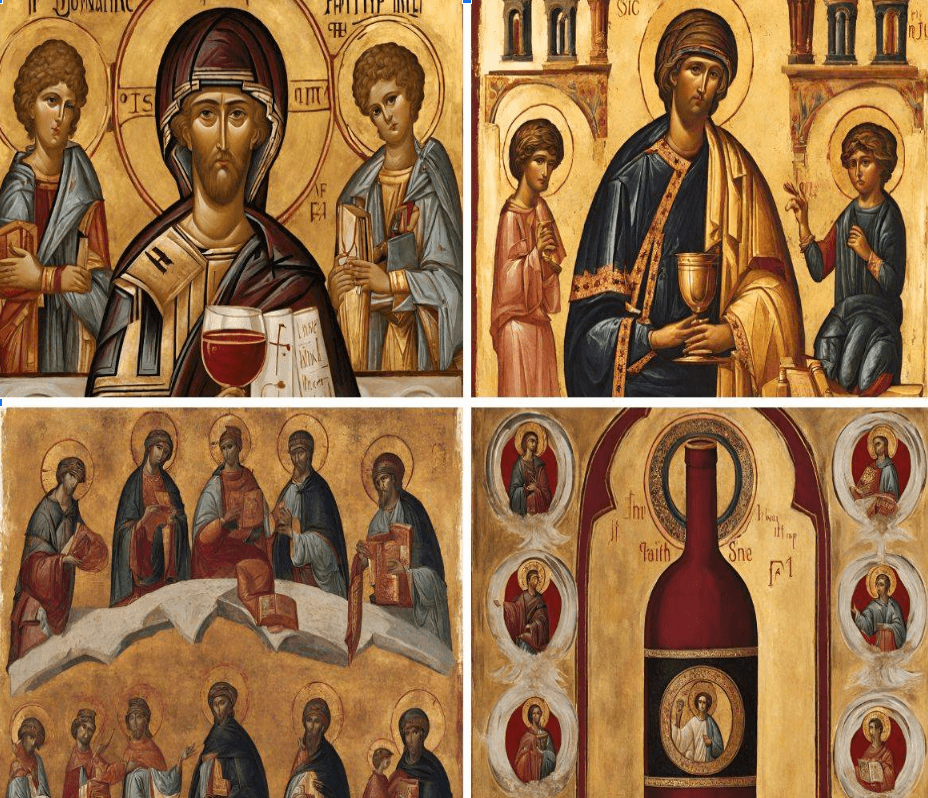
In the Byzantine period, wine gained a sacred importance as part of religious rituals. Monasteries became centers that produced holy wines as well as preserving and developing winemaking and craft.
Europe's Introduction to Wine
How Did It Come to Europe?
Europe established its first serious contact with wine via the Aegean. Minoans living on the island of Crete, south of the Aegean Sea, were both producing and trading wine. Then, Mycenaeans living on the Greek mainland put wine at the center of religious rituals and palace economy. At this stage, wine was no longer an "accidental drink" but became a cultural element.
Ancient Greece (1600 BC – 300 BC)
They systematized wine production. They developed agricultural techniques. Wine was at the center of daily life, religious rituals, and philosophical symposiums. Thanks to Greek colonies, wine spread to Sicily, Southern France (Marseille), and the Black Sea coasts.
Roman Empire (200 BC – 400 AD)
The real great expansion happened with the Romans. They used the concept of Terroir intuitively for the first time. They systematized viticulture. They made wine a part of military and commercial logistics. They established the first large vineyards by selecting grape varieties in regions such as today's France (Gaul), Germany (Rhine), Spain, and Portugal. They developed storage and transportation techniques. Most of the places we call "classic European wine regions" today are Roman heritage.
Middle Ages: The Church Period (500–1500 AD)
When Rome collapsed, monasteries and the church kept wine alive. Benedictine and Cistercian monks recorded vineyards. Thanks to sacramental wine, viticulture was never interrupted. By developing the fragmented vineyard system (especially Burgundy), they ensured quality and continuity. The foundations of concepts such as Cru, Clos, Monopole today were laid in this period, and regions such as Burgundy, Champagne, and Rheingau shone in this period.
Phoenicians (1500–800 BC)
The first civilization to make wine a commercial product. Phoenicians were a tribe that traded heavily by sea. For this reason, while trading wine from the Eastern Mediterranean to the coasts of Greece, Southern Italy, Spain, and Southern France, they also carried vine saplings and winemaking knowledge.
Branding Steps in Wine
Wine production, which started with the ancient method, added life to its life with the inclusion of resin by Egyptians around 3000 BC. Making wine in wide-mouthed jars became increasingly common in Egypt, and the foundation of aged wine was laid. Egyptians, who wrote the brand of the wine on wine jars, thus took the first steps of branding in wine (first labeling). Romans laid the foundations of today's wine culture by sieving substances such as flowers, fruits, pine gum, resin, and honey into wine.
Old World and New World Countries in Wine Production
Old World wine countries are places where winemaking started historically, and rules and traditions are strong. Major countries:
- France
- Italy
- Spain
- Germany
- Portugal
- Greece
- Hungary
- Austria
- Georgia (One of the oldest wine cultures.)
- Turkey (Historically accepted as Old World. However, New World style production is dominant in terms of both labeling and flexible production rules.)
Leaving Georgia and Turkey aside, the basic characteristics of old world countries:
- Terroir is at the forefront (soil, climate, microclimate),
- Region names are mostly written on labels (like Bordeaux, Barolo),
- Expressions indicating the quality of wine on labels. (Grand Cru, Cru Classico, Grand Riserva, AOC, DOC, DOCG, DO, etc.)
- Higher acidity, more balanced alcohol,
- Oak usage is generally more moderate,
- Strict and detailed legal classification and restrictions.
Countries we call New World met wine not in ancient times, but relatively much later, mostly thanks to European colonists. In general, we can list New World wine countries as; USA, Chile, Argentina, South Africa, Australia, New Zealand. These countries' meeting with wine corresponds to between the 15th and 18th centuries. Wine production in New World countries is subject to more flexible rules. Grape names appear on wine labels rather than region names.
If we consider the countries individually:
- Chile: Met wine around 1548–1555. It was brought by Spanish missionaries. The aim was to make sacramental wine. It is one of the earliest wine cultures of the New World.
- Argentina: Vineyards were established on the skirts of the Andes Mountains by the Spanish again between 1556–1560. Thanks to high altitude, viticulture developed rapidly.
- USA: America's meeting with wine corresponds to the end of the 16th century – 17th century. However, the first attempts in America failed. In the 1760s, the European vine (Vitis vinifera) began to hold on. However, the real leap happened in the 19th century – in the California region.
- South Africa: South Africa met wine in the 1655s.
- Australia: Australia met wine in the 1780s with British colonies. Systematic viticulture started in this country between 1820–1830.
- New Zealand: Missionaries planted the first vineyards in New Zealand in 1819. The country showed its real development in the second half of the 20th century and came to the world stage with Sauvignon Blanc.
Viticulture and Wine in Anatolia in the Ancient Age
In excavations in Anatolia, wild grape seeds were detected in only two of the Neolithic settlements. One of them is Nevali Çori (8400-8200 BC) (Şanlıurfa-Hilvan district), and the other is Canhasan III (Karaman-Canhasan village) settlement. There is no evidence showing that the vine was cultivated in this period. Also, the limited number of vessel forms of the Anatolian Neolithic is not very sufficient in terms of indicating the existence of a wine culture.
Although the majority of grape seeds found in mound excavations (Korucutepe-Elazığ-Aşağı İçme village; Kurban mound-Şanlıurfa-Cümcüme village; Oylum mound-Kilis-Oylum village) inhabited in the period following the Neolithic period and called Chalcolithic (4800-3000 BC) are wild vine products, grape seeds showing that the vine was cultivated were found in Hassek mound (Şanlıurfa-Siverek-Yukarı Tillakin village).
The Chalcolithic period culture is a period when different vessel forms, especially goblet-type vessels, began to appear. It is possible to suggest that viticulture and wine production spread to Anatolia in this period.
Gold goblets and beak-spouted pitchers found as burial gifts in the Alacahöyük royal tombs belonging to the Hatti culture in Central Anatolia, dated to the second half of the 3rd millennium BC, show that wine was widely used in Anatolia in this period, especially among the ruling classes.
With the use of writing in Anatolia, viticulture appears before us as a production activity that has left at least about 1500 years behind and matured. In cuneiform commercial documents that started to be used in Anatolia via Assyrian merchants coming from Northern Mesopotamia around 2000 BC, the vintage is mentioned for the first time, even if as a debt maturity. Scenes of offering wine to gods (libation) are common on cylinder seal impressions belonging to the Colony Age (2000-1750 BC) in Kültepe (Kanesh) near Kayseri.
In Hittite laws, there are provisions regarding "vineyard", "vine branch", and "wine" and articles regarding the compensation of damages given to vineyards.
Cuneiform documents give clues about the existence of vineyards belonging not only to the state or temples but also to individuals. The vintage festival, which is among the Hittite religious holidays, can be evaluated as a sign of the importance given to viticulture. In Hittite cuneiform texts, the same word (Sumerian ideogram Gestin, Hittite reading wiyana) is used for grape, vine, and wine, and various types of wine (new, fresh wine; old, aged wine; sour wine; sweet wine; good wine; clean, pure wine; red wine, etc.) are mentioned.
There are warnings about vineyards in Hittite official correspondence. For example, in a letter sent by a Hittite king to the governor of a city, it is requested that the grapes be cut on time and not be damaged due to delay, and in another letter, it is requested that people be sent from the capital for the vintage as the grapes have reached maturity to be cut.
In Hittite imperial period documents, a city named Wiyanawanda (wine city) is mentioned in Anatolia. This city must be the Lycian city we know as Oinoanda (Oinos means wine in ancient Greek) in Classical Ages.
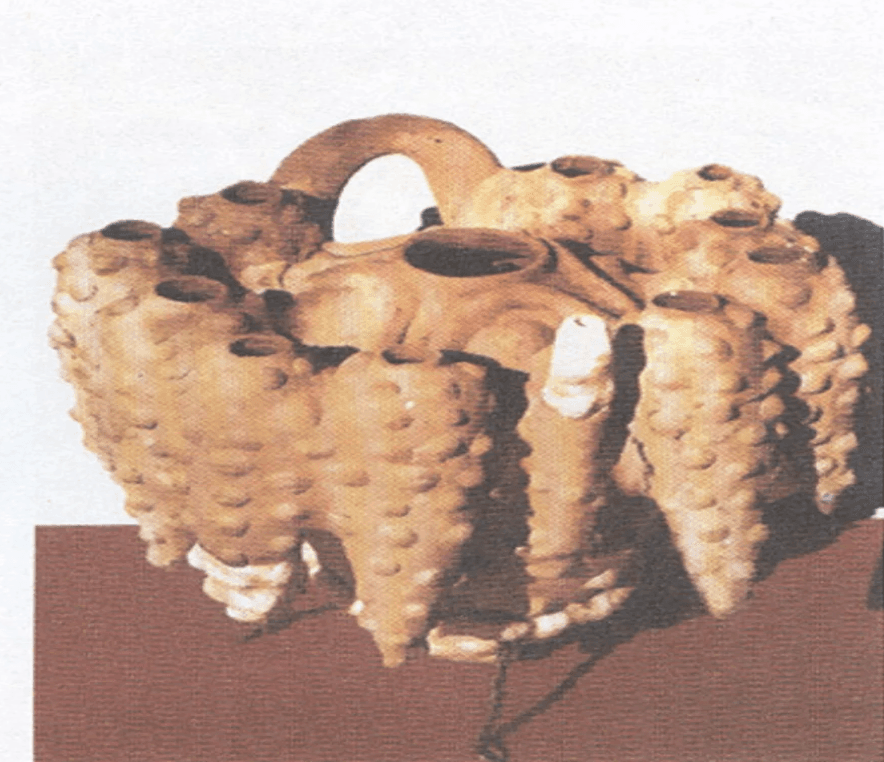
There are 15 gods and goddesses in the Hittite belief world. Of these, Ereş.Ki.Gal is the Sun God. The middle of the Hittite wine pitcher is empty, as can be seen in the picture below. The reason for this is for the Sun God to bless the wine in the pitcher.
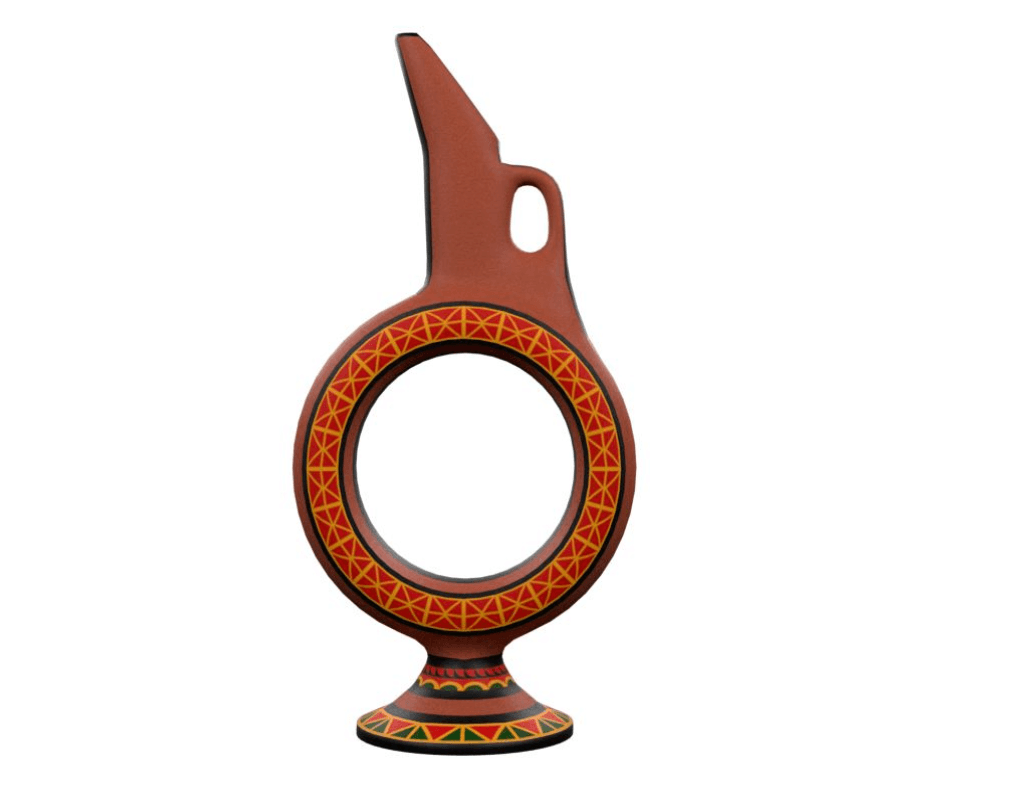
Namely, in Hittites, wine was used in the ceremonies of soldiers going to war and couples getting married. However, the wine is filled into the pitcher beforehand and placed on the highest hill of the settlement facing the sun before the sun rises in the morning, and thus, by ensuring that the first sun rays pass through the middle of the pitcher, the wine is blessed by the Sun God. Soldiers going to war would line up in front of the official offering the blessed wine and drink a glass of this wine. Thus, it was believed that the soldiers would show heroism in the war and the war would be won. Likewise, in weddings, marrying people drank this wine blessed by the Sun God with the thought that their marriage would proceed healthily.
When the Hittite Empire collapsed around 1200 BC, Hittites continued their existence as principalities in the lower parts of Central Anatolia and in Southern and Southeastern Anatolia until approximately the 7th century BC and succeeded in transferring both their cultural and agricultural accumulations to the surrounding contemporary cultures. On the rock relief in İvriz located in the lands belonging to one of these small kingdoms, the storm god Tarkhun/Sanda in the identity of a fertility god holding grape bunches and ears of wheat in his hands and carrying a sacred sickle in his belt, and the King of Tuwana Warpalawas (8th century BC) opposite him are depicted. Behind the god's head and the king's waist, it is understood that hieroglyphic writings contain the explanation of the king summarizing: "I planted vine saplings here when I was a small child, god protected them, they are now giving grapes".
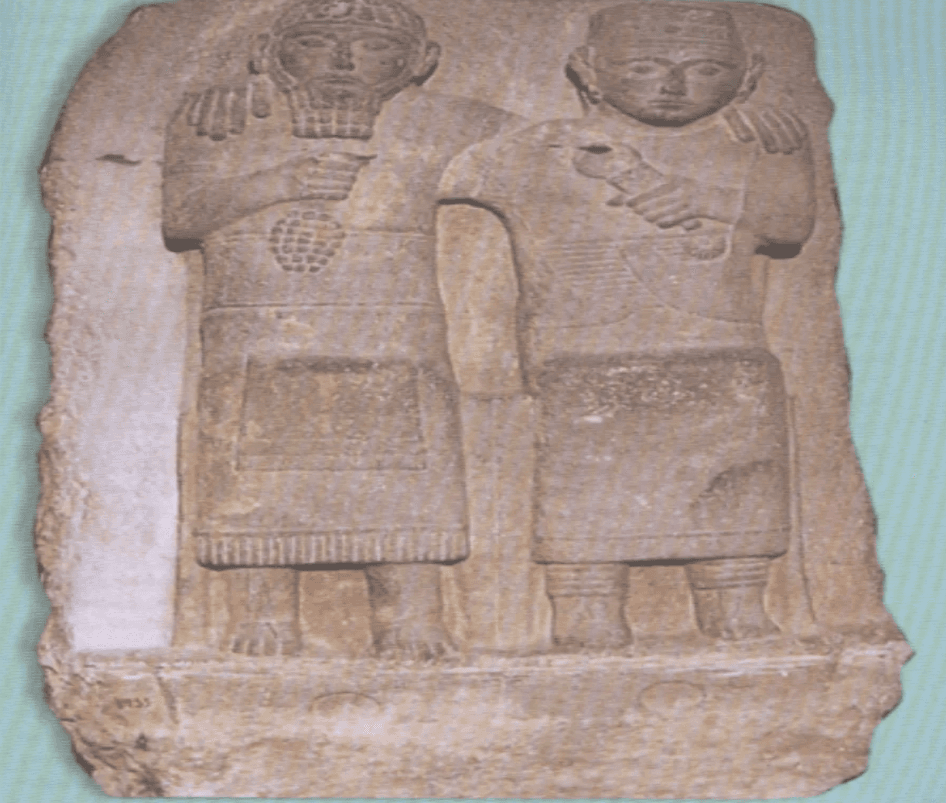
As seen in the depiction of a husband and wife with their arms around each other's shoulders on a tomb relief found in Maraş exhibited in the Adana Archeology Museum, the man carrying a grape bunch in his hand must be a wine merchant. The jewelry worn by his wife can be considered a sign of the wealth of the wine merchant.
Viticulture and Wine in Anatolia in the Classical Age
The first reference to wine made to Ionia belongs to the Poet Homer (8th century BC). The poet mentions a wine named "Pramnios" (or Pramnos) in the Iliad epic; in his second epic Odyssey, he tells that the sorceress Circe intoxicated and detained Odysseus and his friends with Pramnios wine. Authors such as Aristophanes, Athenaeus, and Pliny the Elder also speak of Pramnios with praise in the centuries after.
Smyrna (Izmir): Among the first references regarding Smyrna, which forms a border between Aeolis and Ionia, the Pramnios wine mentioned by Homer takes the first place. While Homer does not specify the place where Pramnios wine was produced, Pliny the Elder speaks more precisely 8 centuries later. It is told that Pramnios wine was not drunk dry (sec) in the age of epics, which Homer was also a part of, but was mixed with cheese, flour, and honey. According to what is told, it is neither sweet nor thick; it is astringent, full-bodied, and strong.
Strabo counts Smyrna wine among valuable wines in terms of both pleasure and medical uses before Pliny the Elder. While Roman agricultural writer Marcus Terentius Varro (116-27 BC) writes that vines growing on the sea shore in Smyrna give crops twice a year, according to Pliny the Elder, crops are taken three times a year.
Klazomenai: Written sources regarding the wine of Klazomenai (Urla Pier) appear in the Roman period (1st and 2nd centuries AD). Physician Dioscorides writes in his work named "De materia medica": "Klazomenai and Kos wines are easy to digest, breath-opening, but destructive for the stomach and harmful for the nerves because they contain a large amount of sea water". Pliny the Elder adds regarding the same subject: "Today Klazomenai wine is preferred since less sea water began to be added".
Info
Note: There were many reasons for adding sea water to wine in ancient times. Preventing the spoilage of wine thanks to the salt in sea water and thus ensuring it withstands long sea voyages, diluting dense and high-alcohol wines, providing a slight saltiness and mineral contribution to wine were among the reasons. Also, it was thought that salty wine facilitated digestion, cleaned the intestines, and provided body balance. And even in some city-states, dense and salty wines were considered stronger and positioned in the high-quality category because they were long-lasting.
Erythrai (Çeşme-Ildırı): While Athenaeus, the food and drink expert of the ancient period, says in his work named "Deipnosophistai" that Erythrai wine is "soft and odorless", he points out that "grape bunches grow full and fertile" here. According to the information given by Strabo, "Among Erythraeans living in Mimas, [Heracles] is worshipped as 'Ipoktonos' [insect killer], because he dried up the root of the vineyard worm called Ips, they say that the only land where the creature is not found is that of Erythraeans".
Teos (Seferihisar-Sığacık): Although there is no ancient source reaching today giving information about its viticulture and wine, having a Temple of Dionysus built in the Hellenistic period and depictions of grape bunches seen on its coins show that the contribution of Teos to the region's viticulture and wine production should not be underestimated. Dionysus was also referred to with the nickname "Setaneios" in Teos. This is a word usually meaning "belonging to this year" (primeur) for soil products.
Metropolis (Torbalı): Metropolis city is counted by Strabo among ancient cities producing good and high-quality wine.
Ephesos (Selçuk): We receive 3 different pieces of information from 3 ancient authors regarding the quality of its wine. Physician Dioscorides mentions a type of wine obtained from vineyards near Ephesos and named Phygelites (Phygela Wine). This wine was light and good for the stomach. Athenaeus reports that the highest quality wine of the region was obtained in Latoreia, a village near Ephesos. Pliny the Elder writes against this information that Ephesos wine is harmful to the stomach because sea water is added and should be drunk by boiling.
Wine in the Ottoman Empire
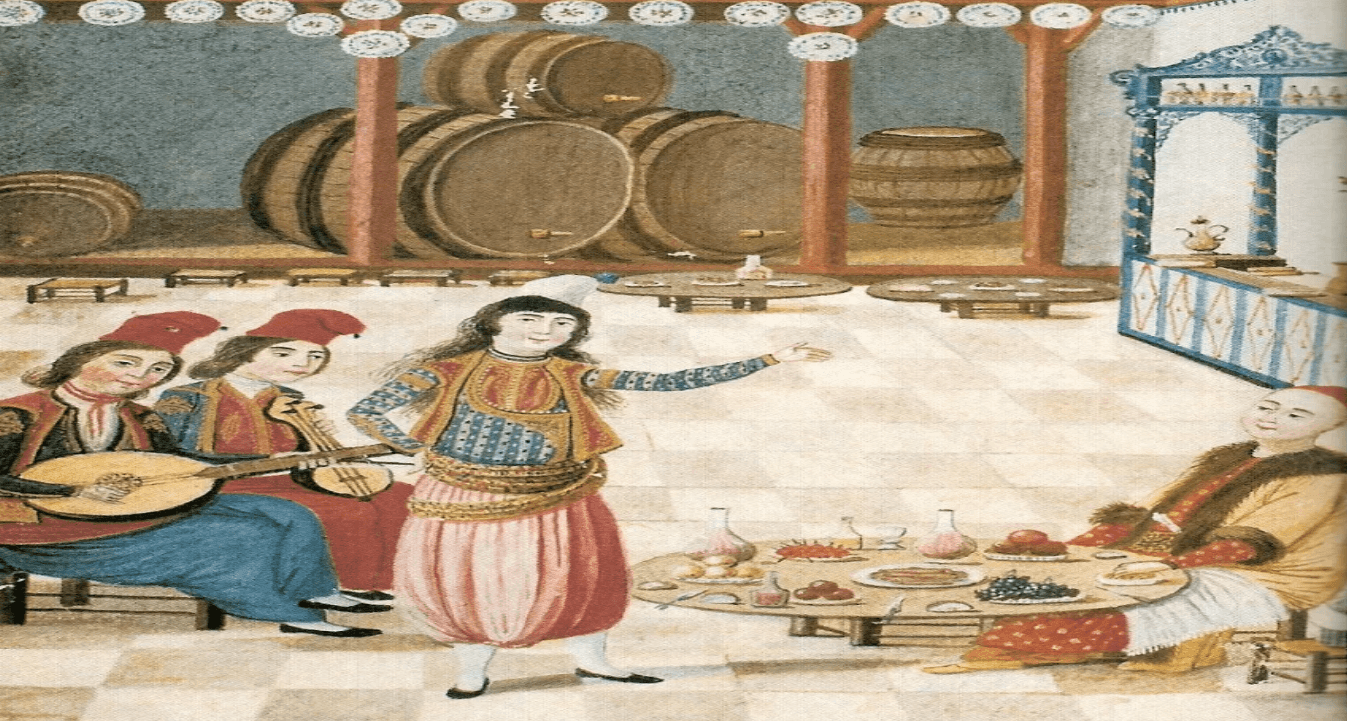
Turkey ranks 5th or 6th in the world in the field of fresh grape production. However, only 3% of existing vineyards are utilized as wine grapes today. The reason for this can be shown as the alcohol bans in the Ottoman period and the regression in winemaking that emerged for this reason. When the fertile Anatolian lands, where growing grapes is written in their destiny, entered Ottoman rule, a regression began in viticulture and winemaking. From this period on, only ethnic minority groups represented by Greek and Armenian communities were interested in wine and even grape production. During a prohibition period of more than four centuries, thousands of hectares of vineyard harvest were consumed by local grape consumption at the table or making raisins. However, at this point, it is necessary not to underestimate the alcohol culture of the Ottoman Empire. Although alcohol bans were imposed in the periods of Suleiman the Magnificent, Ahmed I, Murad IV, Mehmed IV, Selim III, for example, according to Evliya Çelebi, it is stated that there were 160 taverns and around 6000 shops selling alcohol in Istanbul. Westernization movements after the Tanzimat revive winemaking and while European vineyards were writhing with phylloxera disease in the early 1900s, the Ottoman Empire produced 300 million liters of wine and exported a large part of it.
Post-Republic Period and Today
The young Republic founded in 1923 was ruled by a numerically small but idealist community of founders. Atatürk, the chief architect of the Republic, became the driving force of the new country in carrying out studies in very different fields with his visionary identity. If we remember that the literate population of the Ottoman State was about 5% and the literate population was 2%, it is easier to understand what kind of society structure with weak knowledge accumulation we are talking about.
The young Republic also had to make tough security decisions. One of these was the exchange, that is, making a population exchange between Greece and Turkey. The sector paying the heaviest bill for this exchange was viticulture. The permission regarding winemaking in Ottoman policies was given to Christian minorities, the Greek people became the sole owner of the knowledge accumulation in both viticulture and winemaking. This population, who had to leave their lands with the exchange, left the accumulated knowledge for centuries behind, and a group to claim this knowledge did not emerge.
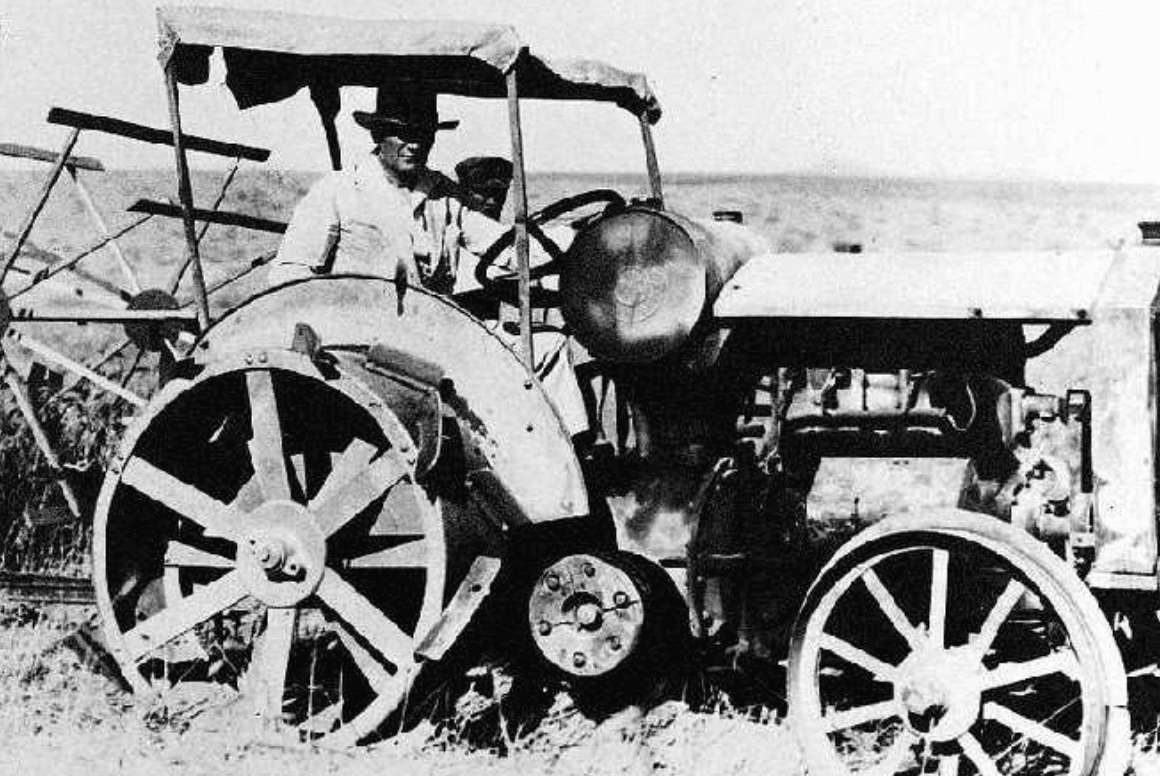
The ruling cadres, who were aware of the importance of agriculture, wanted to close this gap by sending students abroad to receive education on viticulture and winemaking and bringing experienced experts to the country, and obtained successful results from these studies. We see that we have a wine sector that has stood up despite everything and continues to develop despite all obstacles today with these studies in the founding years of the country.
With the establishment of the Republic, the development of viticulture and winemaking was aimed within the scope of agricultural modernization in Turkey. With the vision of Mustafa Kemal Atatürk, grape and wine production held an important place among efforts to strengthen local agriculture. Between 1923-1950, infrastructure investments were made in wine production with state support, and the viticulture sector was tried to be developed.
The Role of State Policies
In this period, the importance given to viticulture was reinforced with the establishment of the Monopoly Administration (Tekel) in 1925. Tekel was established to regulate and control alcohol production and distribution and operated to increase quality standards in wine production. The state encouraged the protection and development of local grape varieties (e.g., Öküzgözü, Boğazkere, Narince). Supporting the viticulture sector was also ensured by learning modern viticulture techniques by sending students abroad.
Investments and Modernization
First, the Viticulture and Research Institute was established in Tekirdağ in 1930. Also, in the 1930s and 1940s, wine factories were established by the state in order to increase wine production and raise quality. Tekirdağ Wine Factory was opened in 1939, Atatürk Forest Farm Wine Factory in 1943, Ürgüp Wine Factory in Nevşehir in 1944, and Elazığ Wine Factory in 1946. These factories encouraged viticulture activities in their surroundings and contributed to the local economy. At the same time, modern production techniques suitable for local grape varieties were applied in different regions of Turkey.
Today, although the number changes from time to time in our country, it is reported that there are around 165 wineries in the light of recent documents.
Focusing on Domestic and Export Markets
Investments made in viticulture and winemaking remained not only limited to local consumption but also aimed to open up to international markets. Turkey focused on producing high-quality wines using modern wine production techniques to compete in the European market. The state's support in this field was reinforced with policies aimed at protecting local grape types. While studies were carried out on the recovery of viticulture and winemaking in ruined Europe after World War II, Turkey became a part of these studies, became a member of the OIV International Vine and Wine Organization in 1946, and the annual meeting of the Organization was held in Istanbul hosted by Turkey in 1947.
Between 1923-1950, Turkey's policies towards winemaking were based on modernization, quality, and domestic production. Factories established and investments made in this period contributed significantly to the development of the viticulture sector and paved the way for Turkey to be a country with a say in wine production in the following years, but with the changing policies after 1950, Turkey moved away from this goal.
Bibliography
- Lucretius, The Nature of Things, trans. Tomris Uyar, Turgut Uyar, Norgunk Publishing, 2011.
- Pliny, Naturalis Historia XIV.II
- Richard Seaford, Dionysos, Routledge, 2006.
- Homer, Iliad, trans. Azra Erhat, A.Kadir, Can Publishing, 2008.
- Deniz Gezgin, Plant Myths, Sel Publishing, 2007.
- Robert Graves, The White Goddess, trans. Çağla Çakın, Kabalcı Publishing, 2015.
- Pierre Grimal, Dictionary of Classical Mythology, Trans. Sevgi Tamgüç, Sosyal Publishing, 1997.
Related Posts
Snackable Information in the Taste of Wine Part - 1
You can find bite-sized information about wine in this article.
Good Wine, But How?
Wine is not just a beverage; it is an art where nature, labor, and time meet in perfect harmony.
On Wine-Food Pairing
We discuss the importance of pairing wine with food and explore the most ideal combinations.