On Wine-Food Pairing
We discuss the importance of pairing wine with food and explore the most ideal combinations.
The only drink that can accompany a meal is wine. All other drinks can only be consumed with aperitifs. Let's start our article after first taking note of this fact.
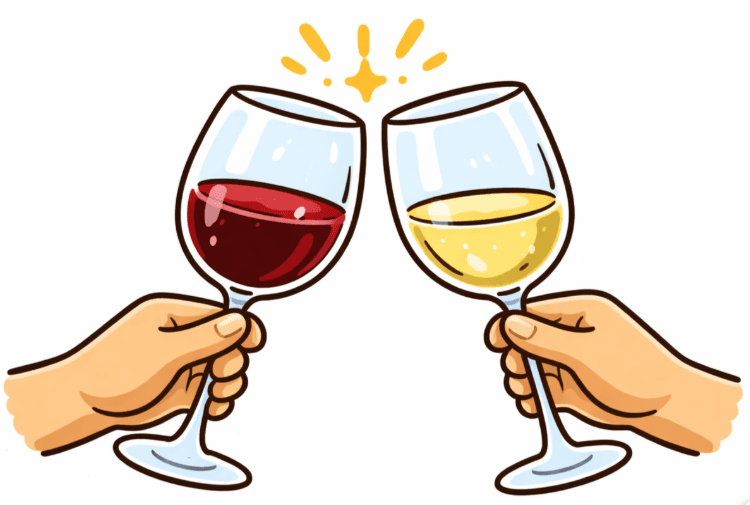
Wine and food are like a dancing couple. Both affect the partner's performance. Sometimes there may be a slight incongruity between their steps, and sometimes they each play a different tune. In such cases, either food can take precedence over wine, or wine can take precedence over eating. However, when they seem created for each other, their dances take on a magical atmosphere. You can experience a pleasure far beyond the pleasure you can get from food or wine, thanks to the harmonious unity of these two.
While some choose the wine first and try to match the food to it, others choose the food first and then the wine. It's all about you. The important thing here is to reveal the common flavors and textures between the two. As explained in the following lines, there are some basic principles on this subject, but the real determining factor is your taste. That's why you need to be open to experimenting.
Flavor Harmony Theory
Flavors can be compatible or complementary. Matching matches that are compatible with each other have similar characteristics and are more intense together. Conversely, pairings that complement each other have opposite characteristics. The logic here is to establish mutual balance between foods. You can find the perfect match either by the harmony of similarities or by the balance of opposites.
There are 4 Basic Principles in Wine-Food Matching:
- Structural balance (the most important factor)
- Weight harmony (light food-light wine)
- Similarity (e.g. Pinot Noir with earthy mushroom notes and earthy notes)
- Contrast (spicy food with low-alcohol semi-dry wine)
1. Principle of Structural Balance
As a general rule, it should be stated that red wine goes with red meat, and white wine goes with white meat. Actually, there is a very logical explanation for this. First, let's look at the structure, that is, the texture, of white and red wines.
Red Wine: In the structure of red wines; From low to high there is acid, alcohol and tannin. Tannin creates a feeling of dryness in the mouth. It is also found in tea or coffee. The plant, that is, the vine; It is found in its stems, seeds and bark. It is a defense weapon of the vine against external factors and due to this feature it is an antioxidant. It protects the wine and plays a big role in its aging.
White Wine: Unlike red wine, white wine does not only contain tannin. The reason for this is; During the winemaking process, red wine is aged with its skins, while white wine is not aged with its skins. Since tannin is found in the skin of the grape, there is no tannin transfer to white wine. Acidity is higher than red wine. It has a mouth-watering effect and gives relief. Acid also contributes to the aging ability of the wine.
Rose Wine: It is made from red grapes. However, unlike red wine, the wine is contacted with the skins for 12-24 hours. Considering that this period is around 15 days in the production of red wine (there may be longer periods of waiting). 12 or 24 hours. The period is quite short for tannin transition. For this reason, rose wines either have no tannin at all or only trace amounts of it, just like white wines.
I don't want to leave it without adding this information: The presence or absence of tannin is one of the key factors that determines serving temperature. Definitely remember this: tannin does not like cold, because cold makes the tannin bitter. Alcohol does not like heat either, and this time heat makes alcohol bitter. It is necessary to bring these two together within a certain temperature range. Therefore, if you drink a red wine with high tannins, such as Cabernet Sauvignon or Syrah, keep the wine at room temperature, which is 18-19 degrees. You must consume. If the tannin level of the red wine you consume is low, you can consume your wine slightly chilled at 14-16 degrees. We call these lighter-style reds. Since rose and white wines do not have tannin and have high acidity levels, they are consumed chilled, that is, between 7-10 degrees. The exception here is; If a white wine is barrel-aged, it should be served at around 13 degrees. Chardonnay in oak barrels is a good example of this.
In wines, body is not a single component, it is the result of the presence of alcohol or sugar. It is categorized as light, medium and full body. Regardless of the color of the wine, it can fall into one of these three categories. If the acid level in the wine is high, the wine is perceived as having less body. Just as acid can mask the body, it also masks the sugar in the wine. For example, while wine should be perceived as sweet due to its sugar content, high acidity causes you to perceive the wine as dry. Conversely, sugar masks the acid. So, the acid level of the wine is high, but if the sugar is dominant, that is, the sweetness, you may not be able to feel the acid.
We talked about the structure of wine above. Let's talk about the structure of red meat and white meat. Understanding the structure of red meat is actually like examining a complex biological machine. This structure, which basically consists of muscle tissue; It consists of water, protein, fat and various minerals coming together in a certain order.
- Muscle Fibers (Protein Structure) Muscle fibers constitute the main body of red meat. These fibers are the basic element that determines the texture of the meat.
- Myofibrils: These are the threads found inside muscle fibers that enable contraction. The most important are actin and myosin proteins.
- Color: The main substance that gives red meat its color is myoglobin protein. The red tone of the meat changes depending on the oxygen storage capacity of the muscle.
- Connective Tissue (Hardness and Softness) It acts as the "glue" that holds the muscle fibers together. This texture largely determines how hard or soft the meat will be.
- Collagen: It is the most common connective tissue protein. When cooked (especially in slow and wet cooking), it turns into gelatin, giving softness and flavor to the meat.
- Elastin: Also known as "hard tissue". It does not break down with cooking, and generally forms what we call "strap-like" parts.
- Fat Texture
Fat is found in meat in two ways:
- External Fat: The thick layer surrounding the muscle groups.
- Intramuscular Fat: These are thin fat vessels distributed among the muscle fibers. These fats melt when cooked and add their real flavor and juiciness to the meat.
How Does the Structure Change During Cooking?
When meat is exposed to heat, it undergoes a structural transformation:
- Protein Denaturation: Around 40°C - 50°C, proteins begin to firm up and the meat turns pink.
- Water Loss: As the temperature increases, muscle fibers contract and throw out the water inside.
- Collagen breakdown: At 60°C and above, connective tissues (collagen) begin to break down and soften.
A small note: "resting" the meat allows the natural enzymes in it to break down the connective tissues, giving the meat a much softer structure.
Based on the above information, Red meat contains intense fat proteins in its structure. If you have eaten fatty meat, there will be intense amounts of fatty proteins on your palate. When you take a sip of red wine containing tannins, the tannins in the wine bind to fat proteins and help you clean your palate. It will happen. Likewise, acid is another factor that cleans the oil from the palate. Depending on the fat and protein content of the red meat, you can choose either an elegant red wine or a strong red wine.
Structure of Fish
The structure of fish has both similarities and fundamental differences when compared to red meat (mammalian muscle). These differences arise from the fact that the fish does not have to resist gravity thanks to the buoyancy of the water.
Here are the anatomical and structural details of fish meat:
- Muscle Structure: Myotomes and Myoseptas
While the muscles in red meat are long fibers, there are short muscle blocks in fish.
- Myotome: Those layered muscle blocks that separate easily when you touch the fish meat with your fork.
- Myosepta: This is one of the thin, connective tissue membranes that connect the muscle blocks to each other. When fish is cooked, the fish meat "flakes" because these membranes (collagen) dissolve very quickly.
- Connective Tissue Difference The amount of connective tissue in fish is much less than in land animals (usually 3% - 10% of the total weight).
- Collagen Type: Fish collagen turns into gelatin at much lower temperatures (approximately 45°C - 50°C). That is why fish cooks faster than red meat and flakes easily in the mouth.
- Hardness: There is almost no "elastin" (hard tissue) in fish, which makes the fish naturally soft.
- Muscle Colors: White Muscle. Red Muscle
Muscle structure in fish is divided into two according to the lifestyle of the fish: a- White Muscles: They form the main body of most fish. It is used for short-term, fast and sudden movements (hunting or escaping). b- Red (Dark) Muscles: They are usually located just under the skin. It is more common in fish that swim continuously and for long distances, such as tuna or mackerel. These muscles contain plenty of myoglobin and fat, and their taste is more intense.
- Fat Structure:
4.1. Omega-3 Fatty Acids (Star Cast)
These are the components that give fish oil its "gold" value. The human body cannot produce these fats, so we have to get them from outside.
- EPA (Eicosapentaenoic Acid): Protects cardiovascular health and reduces inflammation in the body.
- DHA (Docagexaenoic Acid): It is critical for brain functions, focus and eye health. A significant part of the gray matter of our brain consists of DHA.
4.2. Fish Groups According to Fat Distribution
Fish are divided into two according to where they store their fat in their bodies:
a- Fatty Fish: They store their fat in their muscle tissues, that is, their flesh. They have fat percentages between 5% and 20%. Salmon, Mackerel, Sardine, Anchovy and Tuna are in this group.
b- Lean Fish: They store their fat in their liver. They have an oil content between 0.1% and 2%. Whiting, Cod, Sea Bass and Bream are in this group.
- Structural Differences and Baking Relationship
The structure of fish oils directly affects your cooking technique:
5.1. Low Melting Point: Fish oils melt at very low temperatures. This gives the fish a texture that "melts" in your mouth.
5.2. Rapid Oxidation: Fish oils deteriorate (oxidize) very quickly when in contact with air. The unique "fishy smell" of fish is actually a sign that these oils are starting to deteriorate.
5.3. Heat Sensitivity: Omega-3 oils can lose their structure at high temperatures (such as deep frying). That's why grilling, steaming or baking is better to preserve nutritional value.
- Why Are Some Fish Fattier?
The fat content of fish depends on three basic factors:
6.1. Water Temperature: Fish living in cold waters (such as Salmon) accumulate more fat to provide insulation and store energy.
6.2. Swimming Distance: "Migrant" fish (Mackerel, Bonito), which travel long distances, store high fat in their muscles to use as fuel.
6.3. Reproductive Period: Fish reach their fattest state to gather energy before the spawning period.
An Interesting Detail: Fish do not actually produce Omega-3. They get this oil from the microscopic algae (seaweed) they eat. In other words, fish acts as an "Omega-3 concentrating" filter that nature offers us.
Tip: The best way to understand the freshness of fish is to look at its muscle structure. The myotomes (muscle layers) of fresh fish are tight; As it becomes stale, the connective tissue between these layers is broken down by enzymes and the meat begins to "separate".
As you can see, fish has a more delicate structure than red meat, so it needs more delicate wines. If the fish is lean, pair it with a light, high-acid white. If it is fatty (such as salmon, mackerel, or bonito), oak-aged whites, rose wines, and even light reds served cool with high acidity and low tannin (such as Pinot Noir or Kalecik Karasi) can work well.
White wine has more acid than red wine. Therefore, in white wine, acid is the only element that undertakes the task of cleaning the oil. In red wine, both acid and tannin perform this function. If you have eaten a light fish, a high-acid white with lemon flavor (such as Chablis Chardonnay or Sauvignon Blanc) will cleanse your palate and relax you with the feeling of freshness it gives.
Structure of Chicken Meat Structurally, chicken meat is like a bridge between red meat and fish meat. It neither has a connective tissue as dense as red meat nor is it as delicate as fish meat. This "middle-of-the-road" structure turns it into a chameleon in the kitchen; Whatever sauce or cooking technique it is combined with reflects its character.
- Structural Properties of Chicken Meat Chicken meat is divided into two main categories, and this distinction forms the basis of wine pairing.
1.1. White Meat (Breast): Its fibers are very thin, its connective tissue (collagen) is low and its fat content is quite low. It tends to dry quickly. Its taste is neutral.
1.2. Dark Meat (Thigh and Thigh): Since it has more moving muscles, it contains more myoglobin and fat. Connective tissue is higher than breast meat. This gives it a richer, "earthy" and more intense aroma.
- Wine Pairing: Relationship between Structure and Sauce
The rule with chicken is this: Match the sauce and cooking method, not the meat. The fibrous yet soft structure of chicken plays wonderfully with different wine acidities.
2.1. White Meat (Breast) and Light Cooking
Grilled or boiled breast meat cannot support full-bodied wines because it is low in fat and has fine fibers; Wine suppresses the taste of meat. So what should happen?
Wine Type: High acidity, fresh, fruity whites. example; Sauvignon Blanc or Pinot Grigio. The acidity of these wines revitalizes the lean structure of the chicken and provides freshness on the palate.
2.2. Creamy and Buttery Sauces
The porous structure of the chicken absorbs creamy sauces like a sponge. This creates a more "oily" and fuller texture in the mouth.
Wine Type: Whites aged in oak barrels, full-bodied, with buttery notes. For example Chardonnay or Narince. The creamy texture of an oaky Chardonnay or Narince wine achieves a perfect structural harmony (texture match) with the density of the sauce.
2.3. Dark Meat (Thigh) and Roasts
The high fat and connective tissue in the thigh meat can handle even slightly tannic red wines.
Wine Type: Low tannin, high acidity, fruit-focused reds. example; Pinot Noir or grapevine. The rich taste of chicken legs pairs with the earthy aromas of Pinot Noir. While the low amount of tannins does not spoil the tenderness of the white meat, the acidity balances the fatty tissue.
2.4. Spicy and Sauced Chicken
If the chicken is caramelized or covered in slightly hot/sweet sauces (such as barbecue):
Wine Type: Aromatic whites or light-bodied roses. Example: Riesling or Kalecik Karasi Rose.
"Acidity" is always your friend with chicken. The acid that penetrates between the chicken fibers makes the meat perceived as more juicy and delicious.
Remember this; If the food you eat contains acid, for example, if you consume pasta with tomato sauce or a salad with lemon sauce, you should consume a wine with high acidity during the meal. In other words, you must compensate for the acid in the food with acid. If this is not the case, either the wine will overtake the food or the food will overtake the wine. To express it metaphorically; The one with the highest acid raises the flag. However, they should raise the flag together.
Likewise, if the food consumed is sweet, the wine must also be sweet. In fact, the wine should be a little sweeter than the food. structural balance in the title exactly expresses the issues written above.
2. Weight Matching Principle
The harmony of weight in wine means that the density, fullness and power levels of the food and the wine on the palate are equal. If this equivalence is not achieved, either the wine or the food is lost. Simply:
- Light meal = light wine
- Medium-bodied food = medium-bodied wine
- Heavy meal = full-bodied wine
What are light, medium and heavy meals? Let's first explain these a little by example.
The Elements That Determine the Body in Food:
- Fat percentage
- Amount of protein
- Density of the sauce
- Cooking method (grill, oven, is there cream?)
- Amount of fiber and carbohydrates
Light Body Food: Leaving a thin, fresh and non-tiring feeling in the mouth; These are dishes that are low in fat, do not have intense sauce, and generally use steaming, boiling or grilling as cooking techniques. In general; It is low in fat, does not contain creamy / heavy sauce, contains touches of high acidity such as fresh herbs and lemon, and does not remain in your mouth for a long time.
Light Body Meal Examples:
- Vegetables with Olive Oil: Artichokes with olive oil, green beans with olive oil, zucchini (low fat)
- Light Fish: Grilled sea bass, grilled sea bream, steamed whiting.
- Salads: Arugula parmesan salad, seasonal salad, green salad with citrus sauce.
- Lean Proteins: Grilled chicken breast (skinless), boiled turkey, tuna lemon salad.
Medium Body Meal: It means that the feeling of fullness, density and weight that the food leaves in the mouth is neither too light nor too heavy. There is a distinct feeling of fullness in the mouth, but it does not tire the stomach. It may be saucey, but it is not too creamy. It contains protein but is not excessively fatty.
Medium Body Meal Examples:
- Chicken and Mushroom Saute: There is little or no cream, or it may be olive oil and the sauce may be light.
- Medium-fat Grilled Tenderloin: If it's not swimming in butter!
- Baked Salmon: Oily fish, but without cream sauce!
- Vegetable Gratin with Bechamel Sauce (light version): If it's not too heavy cream!
Full-bodied Meal: Bodied (full-bodied) meal; It means food that leaves a dense, full, lasting and heavy feeling in the mouth. Generally, it has a high fat content, contains creamy / buttery / cheese sauce, long cooking (oven, tandoor, braise) is used, protein and collagen rate is high, it tastes good in the mouth. It leaves a covering effect. Examples of Thick Bodied Meals:
Meat-Based Body Dishes:
- Lamb tandoori
- Veal cheek (cooked for a long time)
- entrecote with heavy sauce (butter, demi-glace sauce)
- Casseroled meat dishes
- Lamb lamb
- Hunkar Begendi
Creamy / Cheese Dishes:
- Creamy mushroom pasta
- Four cheese pasta
- Lasagna with bechamel sauce
- Baked pasta (with plenty of cheese)
After explaining the dishes, let's move on to the wine.
What is Body in Wine?
Elements that determine the weight or body of the wine:
- Alcohol content (higher alcohol -> fuller feeling)
- Tannin (in reds)
- Sugar rate
- Extract / density (Fruity)
- Oak effect
- Acid level
I want to explain these a little bit.
Elements That Contribute to the Body of Wine
- Alcohol Content (Most Important)
As alcohol increases, viscosity becomes heavier and the feeling of warmth increases.
- 14.5% alcohol -> fuller feel
- 12% alcohol -> medium full feel
- 11.5% alcohol -> lighter feel
For example, Zinfandel is generally perceived as strong because it is high in alcohol.
- Sugar (Residue Sugar)
As sweetness increases, density increases. Sugar adds weight to the wine. That's why late harvest wines feel more full-bodied.
- Tannin (in Red Wine)
Tannin creates a feeling of dryness and structure in the mouth. Provides structural density. For example, Cabernet Sauvignon = high tannin + alcohol -> full-bodied perception.
- Acidity (Indirect Effect)
High acidity masks sugar and lightens the body.
- Low acidity -> softer and fuller perception.
For example, Pinot Noir often feels medium-bodied due to high acidity.
- Glycerol (Glycerol)
Yeast that is stressed during fermentation creates glycerol to protect itself. It gives a slightly sweet and oily feeling in the mouth. It contributes to the "silky" perception of the wine.
6 Oak (Barrel Effect)
The oak theme creates a feeling of textural density and volume. Vanilla, spice and toast aromas also make the wine feel bigger. For example, Chardonnay with oak barrels is generally more full-bodied.
7 Extraction Level
As the contact time with the skin in red wine increases; Color, tannin and aroma intensity increase, which contributes to body.
To give an example for the body through milk:
- Skimmed milk -> light body
- Semi-skimmed milk -> medium body
- Full cream milk -> plump / full bodied
Sample Wine Comparisons:
- Pinot Noir (Burgundy) -> light-bodied
- Kalecik Karasi -> medium body
- Cabernet Sauvignon -> full-bodied
Suitable Matches in Terms of Weight:
- Light Meal: Grilled sea bass + (White) Sauvignon Blanc -> Both are light, acidity is lively, harmonious.
- Medium Weight: Grilled meatballs + (Red) Kalecik Karasi -> Medium body + medium tannin + medium protein balance.
- Heavy Food: Entrecote + (Red) Cabernet Sauvignon -> Dense meat protein balances high tannin.
The Wine Goes into Oak Barrels.
A wine from an oak barrel is not just a beverage; It is a complex companion that brings with it vanilla, cloves, coconut, ember wood, incense, caramel, dried fruit, chestnuts, almonds, walnuts and dense body. These types of wines either become the star of the table when paired with food, or they completely suppress the taste of the meal with a wrong pairing.
Here are the basic points you should pay attention to in order to avoid any problems with matching:
- Protein and Fat Balance
The oak barrel gives tannin and structure to the wine. This structure is perfect for cutting fat and protein on the palate.
Red Wines (e.g., Cabernet Sauvignon, Okuzgozu): Oaky reds must be smooth and oily. Pair with red meats or ripe cheeses. The protein of the meat softens the tannins of the wine, allowing the fruity notes to emerge.
White Wines (e.g., Barrel-aged Chardonnay): Oaky whites; It goes great with creamy sauces, buttered fish or chicken dishes. The "buttery" texture in the wine harmonizes with the oil in the dish.
- Cooking Technique: Grilling and Smoking
It is important to look for the smoky and smoked aromas that oak barrels add to wine in food, too.
The Power of Fire: Grilled, slightly caramelized meats or roasted vegetables directly connect with the oak notes coming from the barrel.
Spice Harmony: Do not hesitate to use light touches of spice in your food to support notes such as cinnamon, clove and black pepper coming from the barrel.
- Acidity and Sauce Compatibility Oaky wines generally have lower acidity and higher body.
Lemon and Vinegar Trap: Sauces that are too sour, with lots of lemon or vinegar can make oaked wine taste metallic and bitter. That's why it's safer to choose fresh, steel-tanked wines instead of barrel-aged heavy wines with salads or seafood with sour sauce.
- Mushroom and Earthy Flavors
Over time, the oak barrel gives the wine earthy and mushroomy notes. (More often seen in bottle-aged wines.)
Harmony: Truffle oil, porcini mushrooms or risottos are the most loyal friends of this style of wine. Earthy flavors enhance each other.
When matching, we need to ask ourselves the following:
- First, is this meal light, medium or heavy?
- Then is this wine light, medium or full-bodied?
- Equalize the bodies according to your answers.
- Afterwards, we can move on to details such as aromatic harmony, acid balance, tannin-protein relationship.
3. Principle of Similarity
First of all, it should be noted that; As a main idea, the aroma profile of red wine and red meat are close to each other. It's like;
Primary aromas in red wines: red cherry, black cherry, red plum, black plum, cranberry, raspberry, blackberry, blueberry, red currant, black currant, dried herbs, black pepper, licorice, dried rosemary, thyme, secondary aromas: vanilla, coconut, clove, cedar wood, charcoal, coffee, bitters Chocolate and tertiary aromas such as earth, mushroom, leather, tobacco and meat are also encountered. If you pay attention, all these flavors are compatible with the flavor profile of red meat.
Primary aromas of white wine: blossom, wet stone, green apple, yellow apple, pear, gooseberry, grapefruit, lemon, lime, orange, Peach, apricot, mango, pineapple, banana, lychee, melon, fennel, fresh rosemary and secondary flavors: toast, biscuit, bread, pastry, butter, cream, coconut, vanilla, roasted hazelnut, and tertiary aromas such as cinnamon, ginger, petrol (a classic tertiary note in Riesling), honey caramel, and orange marmalade.
It is worth stating right away. The aromas I listed above are not the aromas you will feel in every wine you drink. Only the aroma range is mentioned in general. As you know, there are many different types of wine grapes. Although the aroma profile of each is different, the climate where it grows, altitude, etc. Many factors also affect the aroma profile. Depending on the type of grape, climate, altitude, applied viticulture techniques, the wine may have one or more of the aromas mentioned, as well as other aromas not mentioned above.
But now, sit back, review these aromas again and try to feel them from within. You will understand better why I say color goes with color (red with red, white with white). Take a look at the aromas of white wines. Lemon, green apple, pear, grapefruit, pineapple, mango, fresh rosemary and many more...Light tone aromas. The aromas in fish are light tone aromas, just like in white wine. When you take a sip of the white wine with a cold lemon flavor while eating the fish, the wine relaxes you while the high acidity cleans your palate.
Conversely, the aromas of red meat are also dark-toned aromas. Such as black plum, black cherry, black currant, blackberry, blueberry. And if the wine is aged; Leather, earth, tobacco and mushroom aromas are also aromas found in red wine. All these flavors overlap with the flavor profile of red meat.
Let's continue on aromatic similarity a little more:
The overlap between the aroma of the wine and the aroma of the food:
- Earthy Bridge: Beef in mushroom sauce with Pinot Noir with tertiary aromas (mushroom, forest floor). Both of them have an earthy character and create aromatic integrity.
- Spice Bridge: Black pepper is among the aromas of Syrah. For this reason, it pairs well with entrecote with black pepper. The spice aroma in the wine reflects the spice in the food, increasing harmony.
- Citrus Bridge: Lemon flavor is at the forefront in Sauvignon Blanc (white wine). For this reason, Sauvignon Blanc pairs well with lemon sea bass. Acidity and citrus flavor match.
- Smoky Bridge: Grilled lamb -> oak-aged smoky Rioja (Red Tempranillo/Spain) Smoke aromas build a bridge.
Let's talk about structural similarity. The similarity can be not only in flavor but also in structure.
Creaminess - Body
- Oak-barrel-aged Chardonnay (buttery, creamy texture) -> creamy mushroom sauce.
- Structure parallelism occurs.
- Dessert with dessert: high-acidity sweet Riesling -> apple tart
- If the sweetness level is compatible, it will be balanced.
But be careful!!
If the similarity is too high, the matching may be annoying.
For example: If the food is too heavily creamed or too oily, but the wine has low acidity, the food and wine combination can be overwhelming.
In such a situation, wine with high acidity can be amazing. Because, as we said before, acid cuts fat.
4. Principle of Contrast
Basic Logic of the Contrast Principle
-
Fatty -> High acidity
-
Spicy -> Low alcohol / slight sweetness
-
Salty -> Sweet or high-acid
-
Fat Food + High Acidity
Acidity cuts through the coating effect of fat in the mouth.
Example:
- Fried fish -> Sauvignon Blanc
- Creamy pasta -> Chardonnay (high acidity style)
- Acid works like lemon effect.
- Spicy Food + Light Dessert / Low Alcohol
Spice and alcohol intensify each other, making the food harder to enjoy. That's why low-alcohol, slightly sweet wine works well with spicy dishes.
Example:
- Spicy Asian cuisine -> Riesling (semi-dry style)
- Light sweetness softens the bitterness.
3- Salty Food + Sweet Wine
Salt balances the sweetness of the wine and increases the fruity character, and the sweetness in the wine balances the salt.
Example: Blue mold cheese -> Semillon (Sauternes style)
Let's wrap up the article by giving examples of food-wine pairings for white, red and rose wines in general.
White Wines
To express it again, the basic logic in wine-food pairing is the harmony of weight, acidity and aroma. Since white wines generally have higher acidity and lighter body, they are best paired with fresh, delicate and acidic dishes. It works very well.
1- Light Body & High Acidity Whites
(e.g.: Sauvignon Blanc, Pinot Grigio, Emir)
Compatible dishes:
- Grilled or steamed fish
- Seafood (shrimp, squid)
- Goat cheese salads
- Vegetables with olive oil
- Appetizers with lemon and herbs
Why? High acidity balances the fat and salt of the food. It goes well with lemon or vinegar-based flavors.
2- Medium Body & Aromatic Whites
(ex: Riesling, Gewurztraminer, Muscat)
Compatible dishes:
- Spicy Asian cuisine
- Mildly spicy dishes
- Curry chicken
- Anise and fennel flavored dishes
Why? Aromatic intensity does not compete with the meal, it accompanies it. Slightly sweet (off-dry) styles balance the bitterness.
3- Bodied & Oaked Whites
(ex: Chardonnay - especially in barrel)
Compatible dishes: Creamy pastas Dishes with bechamel sauce Butter sea bass Baked chicken Lobster
Why? The body and creamy structure of the wine parallels the oily texture of the food. Oak flavors (vanilla, toast, butter) create similarity.
4- Sparkling Whites
(e.g.: Champagne)
Compatible dishes:
- Fries
- Tempura
- Chips
- Seafood
Why? High acidity + bubbles cut fat and cleans the palate.
Rose Wines
1- Light Colored Dry Rose:
Character: High acidity, citrus, strawberry, minerality, light body
Compatible dishes:
- Grilled sea bass, sea bream,
- Shrimp, squid,
- Artichoke, zucchini, with olive oil
- Goat cheese salad,
- Sushi.
Logic: Acidity balances the sweetness of seafood, the lightness of the wine does not overpower the meal.
2- Fruity and a little more full-bodied Rose:
(ex: Grenache, Syrah based roses)
Character: Strawberry, raspberry, sometimes light spice
Compatible dishes:
- Grilled chicken,
- Salmon,
- Tuna salad,
- Pizza (especially margarita, with vegetables),
- Pastas with tomatoes.
Logic: Tomato acidity and rose acidity are compatible. Body balance is achieved with light protein.
3- More Intense / Darker Rose:
Character: Higher body, pronounced fruit, light tannin
Compatible dishes:
- Grilled meatballs,
- Lightly spicy kebabs, -Duck,
- Turkey,
- Salads with bacon,
Logic: This style of rose can act almost like a light red.
Red Wines
The main determinants in red wine food pairing are tannin, body, acidity and aromatic intensity. Since red wines are generally tannic, they are combined with protein and fat. It works very well.
1- Light Body Reds
(ex: Pinot Noir, Gamay, Kalecik Karasi)
Compatible dishes:
- Grilled salmon
- Mushroom risotto
- Chicken legs -Duck
- Light meat pasta
Why? Low tannin and lively acidity do not overwhelm the meal. It establishes a very nice parallel with earthy aromas (like mushrooms).
2- Medium Body Reds
(ex: Merlot, Sangiovese, wildflower)
Compatible dishes:
- Grilled meatballs
- Pasta with tomato sauce -Pizza
- Lamb Shish
- Dishes with pastrami
Why? Medium tannin + medium acidity = balanced structure. Acidity harmony is especially important in tomato dishes (that's why Sangiovese is so compatible with classical Italian cuisine).
3- Full-bodied & High Tannin Reds
(ex: Cabernet Sauvignon, Syrah, Bogazkere)
Compatible dishes:
- Ribeye
- T-bone steak
- Lamb shank
- Grilled ribs
- Tandoor
Why? High tannin softens with oil and protein. The higher the fat, the more balanced the tannin.
The general rule for cheese and wine pairing is as explained above. As the cheese gets lighter, the wine will also get lighter, and as the cheese gets heavier, the wine will get heavier.
Compatible Matches:
1- Fresh and Soft Cheese
Example: Mozzarella, Curd, Fresh Goat Cheese
Wine:
- Sauvignon Blanc
- Narince (especially unoaked)
- Pinot Grigio
Why? High acidity balances the creamy and acidic texture of the cheese and provides freshness on the palate.
2- White Cheese (Salted Cheese)
Example: Feta cheese
Wine:
- Emir
- Riesling (off-dry style)
Why? Salted cheese + high acidity works very well. Lightly sweetened Riesling softens the salt.
3- Creamy and Crusted Cheese
Example: Brie, Camembert
Wine :
- Chardonnay (lightly oaked)
- Champagne or other sparkling wines
- Pinot Noir (Slightly cool/14-16 degrees)
Why? The creamy structure of oaked Chardonnay wine is compatible with these cheeses. The acidity and bubbles of sparkling wine also create the perfect contrast. In addition, Pinot Noir harmonizes well with brie cheese due to its high acidity, low tannin structure and earthy aroma.
4- Mature and Hard Cheeses
Example: Aged cheddar, Parmesan
Wine:
- Cabernet Sauvignon
- Okuzgozu
- Rioja (Tempranillo based)
Why? High tannin + high protein compatibility. The high protein in cheese softens the tannin, making the wine feel more balanced.
Example: Gruyere Cheese
- Chardonnay (lightly oaked or with less effect)
- Why?: It harmonizes with the creamy texture and slightly sweet flavor of cheese.
- Riesling
- Why?: The slightly sweet and acidic structure of Riesling wine harmonizes with the sweet structure of gruyere cheese.
- Oak-aged Narince
- Why?: It complements the hazelnut taste of gruyere very well.
5- Local Matches
Ezine cheese: It is very enjoyable with a fresh Emir or Narince (white) cheese with its high salt and fat content.
Smoked Circassian Cheese: A fresh Kalecik Karasi, Pinot Noir or smoked Sauvignon Blanc would be a good match to support the slightly smoky aromas.
Izmir Tulum Cheese: Okuzgozu and Merlot balance the density of the cheese with their medium body, slightly fruity and balanced tannin structure.
6- Moldy (Blue) Cheese
Example: Roquefort, Gorgonzola
Wine:
- Sauternes
- Late harvest wines
- Porto
Why? Salty + dense cheese -> pairs with sweet wine. Sweetness balances the salt, the principle of contrast works.
What has been explained so far may seem very complex at first glance. You will see later that it is not actually like that, on the contrary, it is very simple. The experiences you will make in the light of the information given will benefit you a lot.
Remember, heavy wine for a heavy meal, light wine for a light meal... Everything comes in time. Cheers..
Related Posts
Snackable Information in the Taste of Wine Part - 1
You can find bite-sized information about wine in this article.
Good Wine, But How?
Wine is not just a beverage; it is an art where nature, labor, and time meet in perfect harmony.
Journey Through the History of Wine
Learn about the history of wine and discover the wine journey.